
Finding Stability During Seasons of Change
Finding Stability During Seasons of Change
June often marks a season of transition. School schedules shift, routines change, housing situations evolve, and expectations for summer can bring both hope and uncertainty.
For survivors of domestic and intimate partner violence, transitions can feel especially overwhelming. Even positive change can stir anxiety when safety has been fragile or hard-earned.
At Maison Femme, we recognize that transitions are not just logistical — they are emotional, physical, and deeply personal. And navigating them safely takes support.

Why Change Can Feel Hard After Trauma
After experiencing abuse, stability becomes a form of safety. Predictability helps the nervous system settle. When routines shift or the future feels uncertain, the body may respond with heightened stress, fear, or exhaustion — even when change is necessary or desired.
This doesn’t mean something is wrong. It means the body is doing what it learned to do: protect.
Transitions that can be especially challenging include:
Moving to a new home
Changes in work or school schedules
Co-parenting adjustments
Financial shifts
Entering or leaving relationships
Understanding this response helps replace self-criticism with compassion.
A Survivor Story (Shared With Care)
One survivor shared that after leaving an unsafe relationship, she expected life to feel calmer. Instead, every new decision — finding housing, enrolling her child in school, adjusting to a new routine — felt overwhelming.
She worried that struggling meant she wasn’t healing “fast enough.”
With support, she began to understand that transitions after trauma require extra care. What looked like hesitation was actually her body asking for reassurance and stability.
Over time, breaking changes into smaller steps helped her regain confidence and trust in herself.
(This story reflects shared survivor experiences. Details have been changed to protect privacy.)
Creating Stability Within Change
While transitions can’t always be avoided, stability can be intentionally created — even in small ways.
Supportive practices may include:
Keeping familiar routines where possible
Creating predictable daily anchors (meals, check-ins, bedtime rituals)
Giving yourself permission to move slowly
Asking for help with planning or decision-making
Stability doesn’t mean resisting change. It means creating enough safety to move through it.
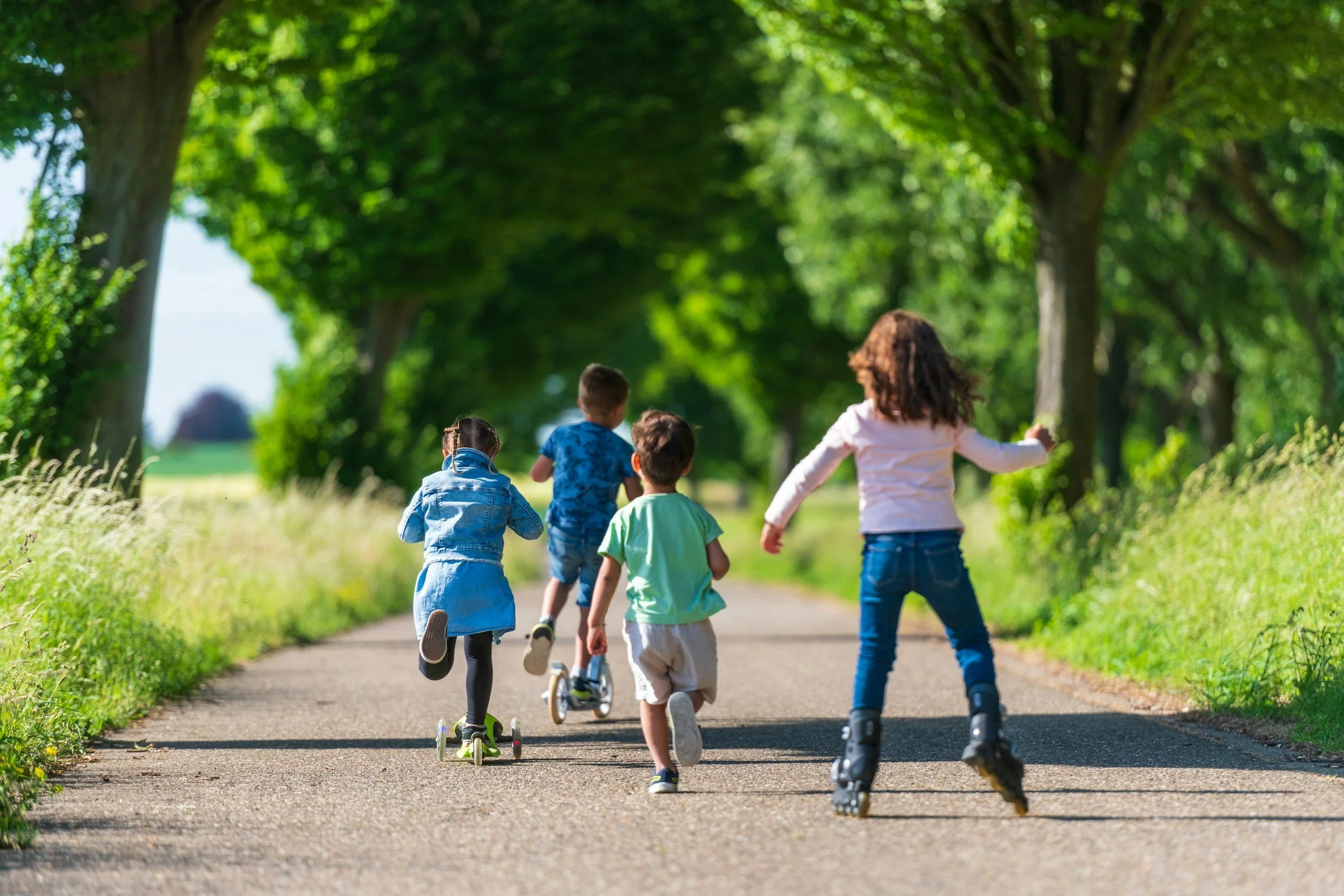
Supporting Children Through Transitions
Children are often deeply affected by change, even when they don’t have the words to express it.
After trauma, children may need:
Extra reassurance
Clear, age-appropriate communication
Consistent expectations
Space to express feelings through play or routine
Supporting children through transitions also means supporting the caregivers — no one does this work alone.
Transitioning With Support
Healing through change is easier when survivors are not expected to navigate transitions on their own.
Advocates, counselors, community partners, and trusted relationships help reduce overwhelm and create pathways forward.
At Maison Femme, we work alongside individuals and families as they navigate change — offering steady support, practical guidance, and space to move at a pace that feels safe.
Resources & Further Reading
If you or someone you know is navigating major life transitions after trauma, support and information are available:
Support Resources
National Domestic Violence Hotline – Confidential, 24/7 support, safety planning, and referrals
📞 1-800-799-7233 (SAFE) | 🌐 https://www.thehotline.orgStrongHearts Native Helpline – Culturally appropriate support for Native and Indigenous survivors
📞 1-844-7NATIVE | 🌐 https://strongheartshelpline.org988 Suicide & Crisis Lifeline – Emotional support during moments of distress
📞 Call or text 988 | 🌐 https://988lifeline.org
Further Reading & Learning
National Domestic Violence Hotline – Leaving an Abusive Relationship
Guidance on planning and navigating transitions safely.
🌐 https://www.thehotline.org/plan-for-safety/Child Mind Institute – Helping Children Through Change
Trauma-informed guidance for supporting kids during transitions.
🌐 https://childmind.orgTrauma Stewardship Institute
Resources on navigating change, resilience, and sustainable care.
🌐 https://traumastewardship.comPsychology Today – Trauma, Change & Adaptation
Articles exploring how trauma affects responses to change and uncertainty.
🌐 https://www.psychologytoday.com/us/basics/trauma
💜 Because safety isn’t just about leaving — it’s about being supported through every step that follows.