
Recognizing Patterns, Building Support
What Research Tells Us About Seasons, Stress, and Domestic Violence Risk
Domestic violence does not happen because of a season, a holiday, or a month on the calendar. Abuse is a pattern of behavior used to gain power and control over another person.
At the same time, research shows that reports and incidents of intimate partner violence can rise during certain times of the year. Understanding these patterns gives communities an opportunity to be more aware, more prepared, and more supportive.
Awareness is not about fear. It is about recognizing when people may need extra care, connection, and access to help.
Why Patterns Matter
Research examining criminal victimization trends has found that violence often follows seasonal patterns instead of occurring evenly throughout the year.
As the Bureau of Justice Statistics explains, “seasonal patterns are periodic fluctuations in victimization rates.”
These patterns are not usually about the weather alone. Studies suggest they may be connected to changes in routines, financial stress, family proximity, reduced privacy, and disruptions to normal support systems.
This does not mean seasons create abuse. Instead, times of added pressure may make unhealthy or controlling dynamics more visible or more intense.
That is why community awareness matters. When we understand where risk may increase, we can also understand where support may need to increase.
Times of Year When Risk May Rise
Several studies have identified seasonal variation in domestic and interpersonal violence reporting.
Some research has found that reports of intimate partner violence peaked during July and August. Broader victimization data has also shown increases in certain forms of violent victimization during warmer months.
Possible contributing factors discussed in research include:
School breaks and changes in family routines
More time spent together at home
Social gatherings and increased interaction
Financial pressure related to travel, childcare, and activities
Increased alcohol use in some environments
Reduced access to usual support networks
These factors do not cause violence. But in relationships where coercion, control, or abuse already exists, added stress can increase risk.
The hopeful part is this: when families, friends, neighbors, and community organizations know what to watch for, support can happen earlier.
Holidays: A Time for Connection and Awareness
The holiday season can be full of joy, tradition, and togetherness. For many people, it is a time to reconnect and celebrate.
For others, holidays can bring extra stress, financial pressure, family conflict, and less privacy. These added pressures can make unsafe situations harder to manage.
Research and frontline service providers have identified recurring challenges during holiday periods, including:
Financial strain and end-of-year expenses
Expectations around family gatherings
Changes in work schedules
Increased time at home
Heightened emotional pressure
Less privacy to reach out for help
Some studies have found increases around certain holiday periods and major events. At the same time, reporting may temporarily decrease during holidays and rise afterward.
Lower reporting does not always mean fewer incidents. Sometimes it means survivors have fewer safe opportunities to ask for help.
This is where community can make a difference. A simple check-in, a private conversation, or a reminder that someone is not alone can be powerful.
Early Warning Signs to Notice
Domestic violence does not always begin with physical harm. Many survivors describe a gradual pattern of increasing control, intimidation, and fear.
Recognizing early warning signs can help friends, family, and communities offer support before a crisis escalates.
Some signs to pay attention to include:
Escalating Control
A partner increasingly monitors where someone goes, who they talk to, what they wear, or how they spend money.
Isolation
A partner discourages or prevents contact with family, friends, coworkers, or community support.
Emotional Intimidation
This may include frequent criticism, humiliation, threats, unpredictable anger, or making someone feel afraid to disagree.
Financial Restriction
A partner limits access to money, employment, transportation, documents, or basic necessities.
Increased Tension During High-Stress Periods
Arguments may become more intense around holidays, vacations, sporting events, financial deadlines, or long periods spent together.
Walking on Eggshells
Someone may begin changing their behavior constantly to avoid upsetting their partner.
Blaming External Circumstances
Abusive behavior is sometimes excused with statements such as:
“I only act like this because I’m stressed.”
“The holidays make me angry.”
“If you didn’t push me, this wouldn’t happen.”
Stress can affect emotions. It does not excuse abuse.
No one deserves to be controlled, threatened, or made to feel unsafe.
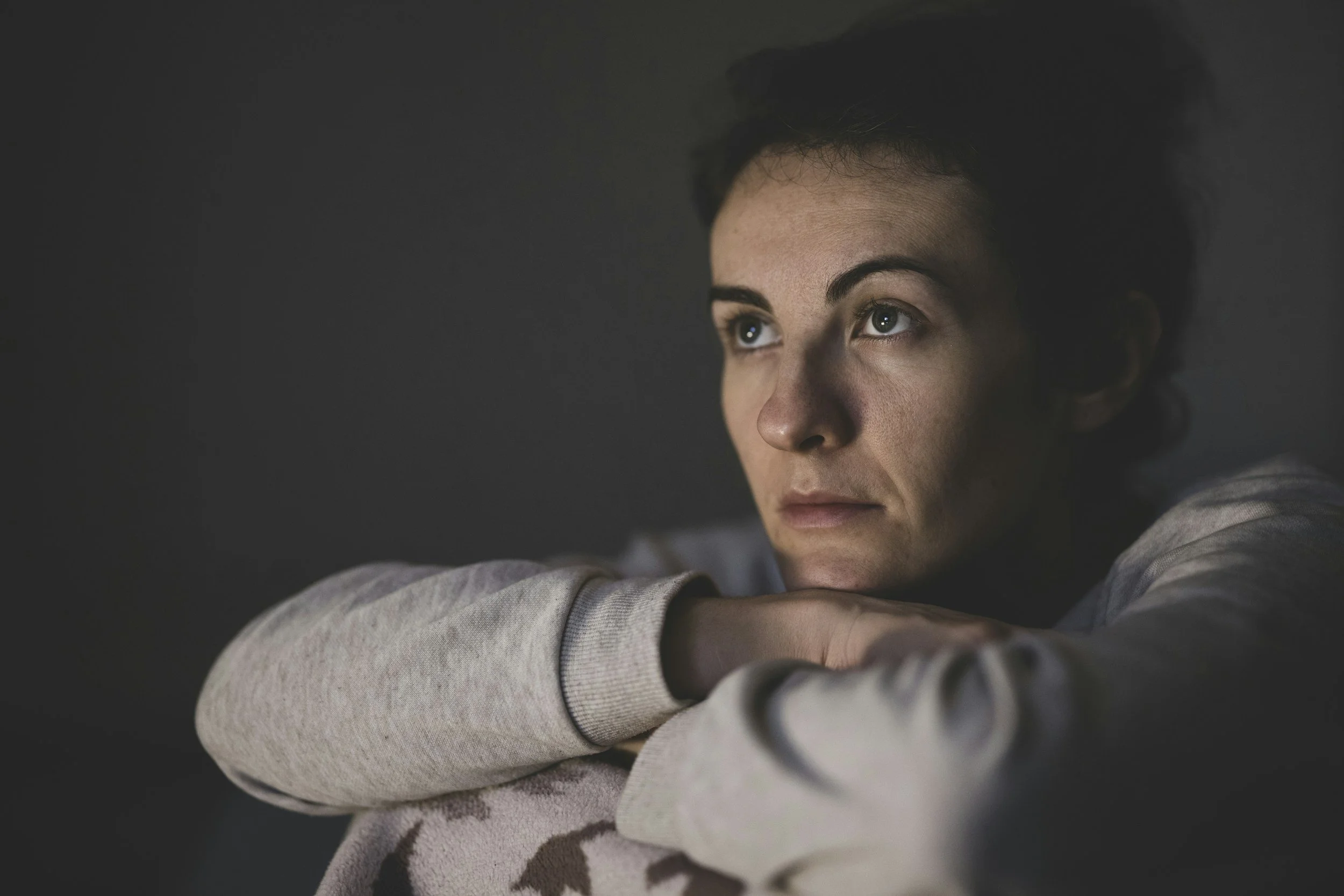
How Friends, Family, and Communities Can Help
Support does not have to be perfect to be meaningful. Small, steady acts of care can help someone feel less isolated and more connected to options.
Support can look like:
Checking in consistently without pressure
Creating opportunities for private conversations
Offering practical help, such as transportation, childcare, or a safe place to make a call
Listening without judgment
Avoiding ultimatums
Sharing resources and support information
Respecting that leaving can be a process, not a single decision
A calm message can matter. A safe place to talk can matter. A reminder that help exists can matter.
When communities are informed, compassionate, and ready to support, survivors are more likely to feel seen and less alone.
Final Thoughts
Domestic violence is not a seasonal problem. It is a year-round issue.
But understanding when incidents may rise helps communities respond with more care, more awareness, and more intention.
Research patterns should never become assumptions about individuals. Instead, they can remind us to stay connected, check in on one another, and make support easier to reach.
Prevention starts with awareness. Support starts with listening. Healing often begins when someone knows they are not alone.
If you or someone you know is experiencing abuse, help is available. One safe conversation can be the first step toward support.
References
Lauritsen, J. L., & White, N. (2014). Seasonal Patterns in Criminal Victimization Trends. Bureau of Justice Statistics.
Santonja di Fonzo, A., Schmitz, L., & Vall Castelló, J. (2025). Understanding the Link Between Heat and Intimate Partner Violence.
Katerndahl, D. A., et al. (2010). Complex Dynamics in Intimate Partner Violence.