
Mental Health Is a Community Effort
Caring for Minds, Hearts, and Healing Together
May is Mental Health Awareness Month — a time to talk more openly about mental wellbeing, reduce stigma, and remind one another that mental health is just as important as physical health.
At Maison Femme, we know that healing after trauma is not only about physical safety. Emotional wellbeing, connection, stability, and support all play an important role in long term healing. Mental health is deeply connected to how people move through the world, process difficult experiences, and rebuild trust in themselves and others. The truth is, many people are carrying more than others realize. Sometimes mental health struggles are visible. Often, they are not. Someone may still be showing up to work, answering texts, caring for children, making dinner, or smiling in public while privately feeling overwhelmed, exhausted, anxious, disconnected, or emotionally drained. That is why conversations around mental health matter so much.
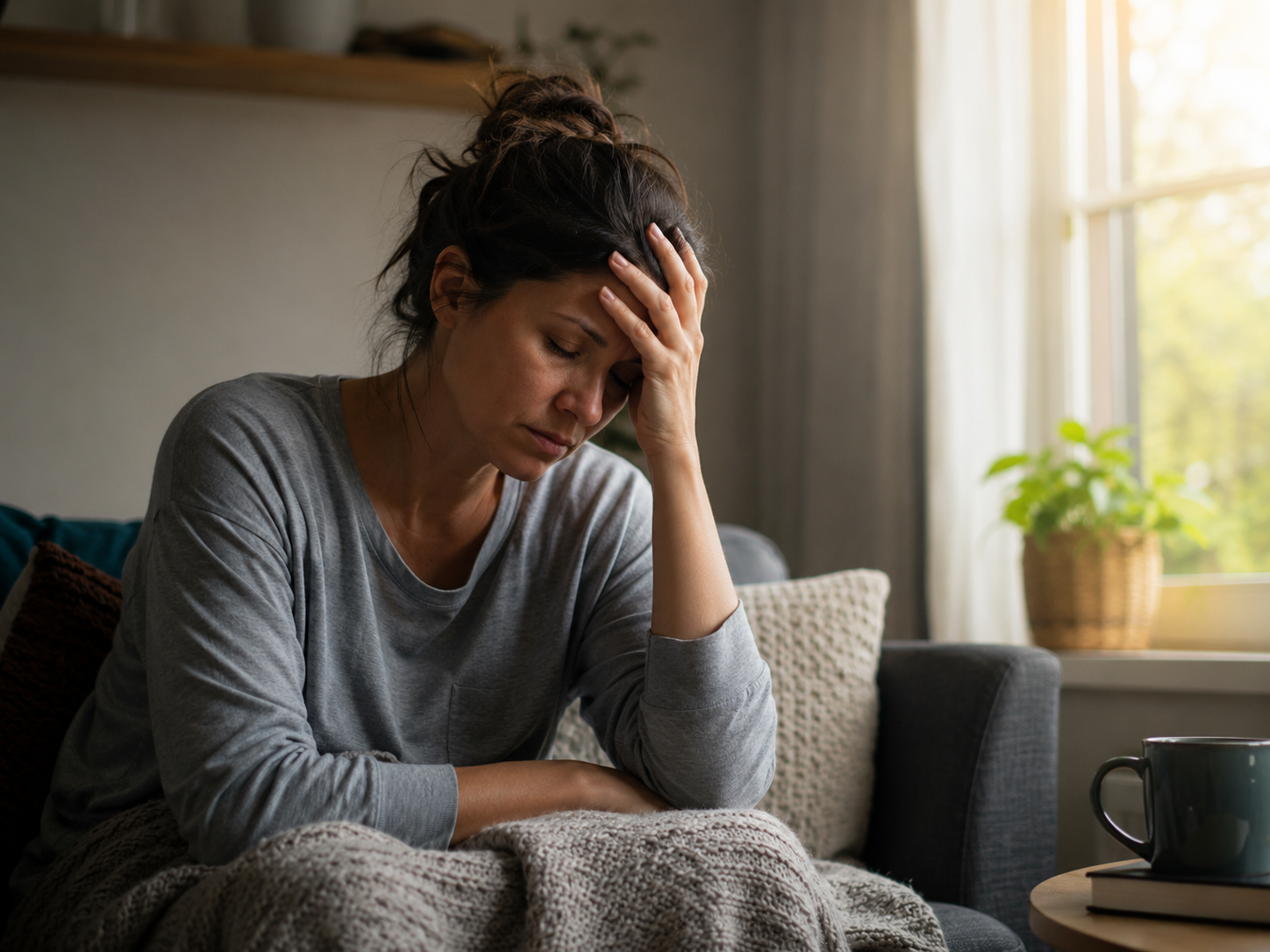
Healing Does Not Have to Look Perfect
There is often pressure to “move on” quickly after difficult experiences. Many survivors feel they should be stronger, more healed, or more “back to normal” than they actually feel. But healing is rarely linear.
Some days feel lighter.
Some days feel heavy again.
Some days feel hopeful.
Some days feel exhausting.
That does not mean healing is failing. It means healing is human. Mental health care is not about perfection. It is about learning how to care for yourself with honesty, patience, and support over time.
Small Things Matter More Than We Think
Mental wellbeing is often supported in everyday moments. A friend checking in.
A quiet walk.
A therapy appointment.
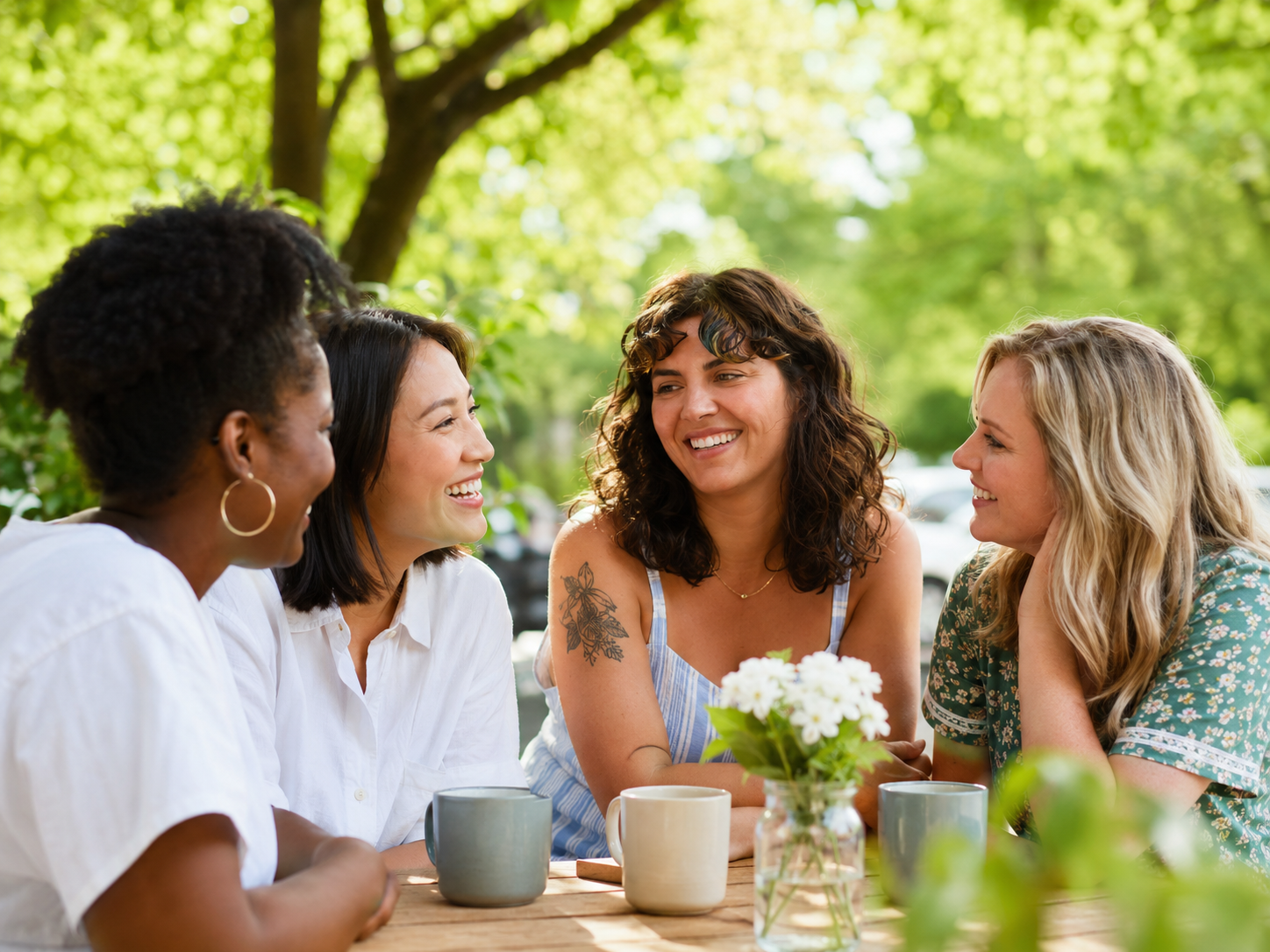
A girls night that becomes an honest conversation.
A coffee date where someone finally feels safe enough to say, “I’m struggling.”
Resting without guilt.
Laughing again after a difficult season. Healing does not only happen in major breakthroughs. It also happens slowly, through safe relationships, consistent support, and moments of connection that remind people they are not alone. Community matters.

Trauma and Mental Health
Trauma can affect the nervous system long after immediate danger has passed. Survivors may experience anxiety, sleep difficulties, hypervigilance, depression, emotional numbness, difficulty concentrating, or feelings of shame and isolation. These responses are not weakness. They are normal responses to prolonged stress and survival. Understanding this can help remove shame from the healing process. Mental health challenges do not mean someone is broken. Often, they mean someone has been carrying too much for too long without enough support.
Creating Space for Honest Conversations
Mental Health Awareness Month is an opportunity to create more compassionate conversations around emotional wellbeing. Not every struggle needs to be hidden.
Not every difficult season needs to be faced alone. Sometimes the most powerful thing we can do for one another is listen without judgment, show up consistently, and remind people that needing support is part of being human. We do not have to have all the answers to care for one another well.
Ways to Support Your Mental Wellbeing
Mental health support can look different for everyone, but small intentional practices can help:
• Prioritize rest and boundaries
• Spend time with supportive people
• Limit constant exposure to stressful news and social media
• Seek professional support when needed
• Allow yourself moments of joy without guilt
• Move your body gently and consistently
• Stay connected to community
• Give yourself permission to heal at your own pace and perhaps most importantly: Be gentle with yourself.
Resources & Support
If you or someone you know is struggling, support is available.
Immediate Support
988 Suicide & Crisis Lifeline
Call or text 988 for free, confidential emotional support.
🌐 https://988lifeline.org
National Domestic Violence Hotline
24/7 confidential support and resources.
📞 1-800-799-SAFE (7233)
🌐 https://www.thehotline.org
StrongHearts Native Helpline
Support for Native and Indigenous survivors of domestic and sexual violence.
📞 1-844-7NATIVE
🌐 https://strongheartshelpline.org
Further Reading & Mental Health Resources
National Alliance on Mental Illness (NAMI)
Mental health education, support, and advocacy.
🌐 https://www.nami.org
SAMHSA Trauma & Violence Resources
Information on trauma informed care and mental health recovery.
🌐 https://www.samhsa.gov/trauma-violence
Psychology Today — Trauma
Accessible articles on trauma, healing, and emotional wellbeing.
🌐 https://www.psychologytoday.com/us/basics/trauma
The Mighty
Personal stories and conversations around mental health and resilience.
🌐 https://themighty.com
💜 Because mental health was never meant to be carried alone.