
Healing Isn’t Linear
What Growth Really Looks Like After Trauma
April often brings messages of renewal and fresh starts. As spring arrives, we’re encouraged to bloom, move forward, and leave the past behind. While growth can be beautiful, these expectations can also create quiet pressure — especially for those healing from trauma.
At Maison Femme, we believe healing does not follow a straight line. It doesn’t move on a schedule, and it doesn’t look the same for everyone.
Healing can be slow. It can pause. It can circle back. And all of that is still healing.
Letting Go of the Myth of “Moving On”
Many survivors are told — directly or indirectly — that healing should have an endpoint. That with enough time, strength, or effort, the pain should disappear.
But trauma doesn’t work that way.
Healing is not about erasing what happened. It’s about learning how to live fully again — with safety, support, and self-trust.
Progress might look like:
Feeling strong one day and overwhelmed the next
Taking steps forward, then needing rest
Revisiting emotions you thought you’d already worked through
Learning new boundaries through trial and error
None of this means you’re failing. It means you’re human.
A Survivor Story (Shared With Care)
One survivor shared that she believed healing meant never feeling afraid again. When fear resurfaced — months after leaving — she felt discouraged and ashamed.
The fear didn’t mean she was going backward. It meant her body was still learning that it was safe.
Over time, she learned to measure progress not by the absence of hard moments, but by how she responded to them — with more compassion, awareness, and support than before.
(This story reflects shared survivor experiences. Details have been changed to protect privacy.)
Growth Looks Different in Every Season

Healing often comes in seasons.
There are seasons of action — making changes, setting boundaries, rebuilding routines. And there are seasons of rest — reflecting, stabilizing, and simply catching your breath.
Both are necessary.
In a culture that rewards constant progress, choosing rest can feel like falling behind. But rest is not regression. It is part of the work.
Healing Happens in Relationship
While healing is deeply personal, it doesn’t have to happen in isolation.
Supportive relationships — with friends, advocates, counselors, and community — help create safety and perspective. They remind survivors that they don’t have to carry everything alone.
At Maison Femme, we see healing deepen when people feel believed, supported, and respected — especially during moments when progress feels unclear.
Giving Yourself Permission to Heal at Your Own Pace
There is no “right” timeline for healing.
You are allowed to:
Take your time
Ask for help more than once
Change your mind
Rest without explaining yourself
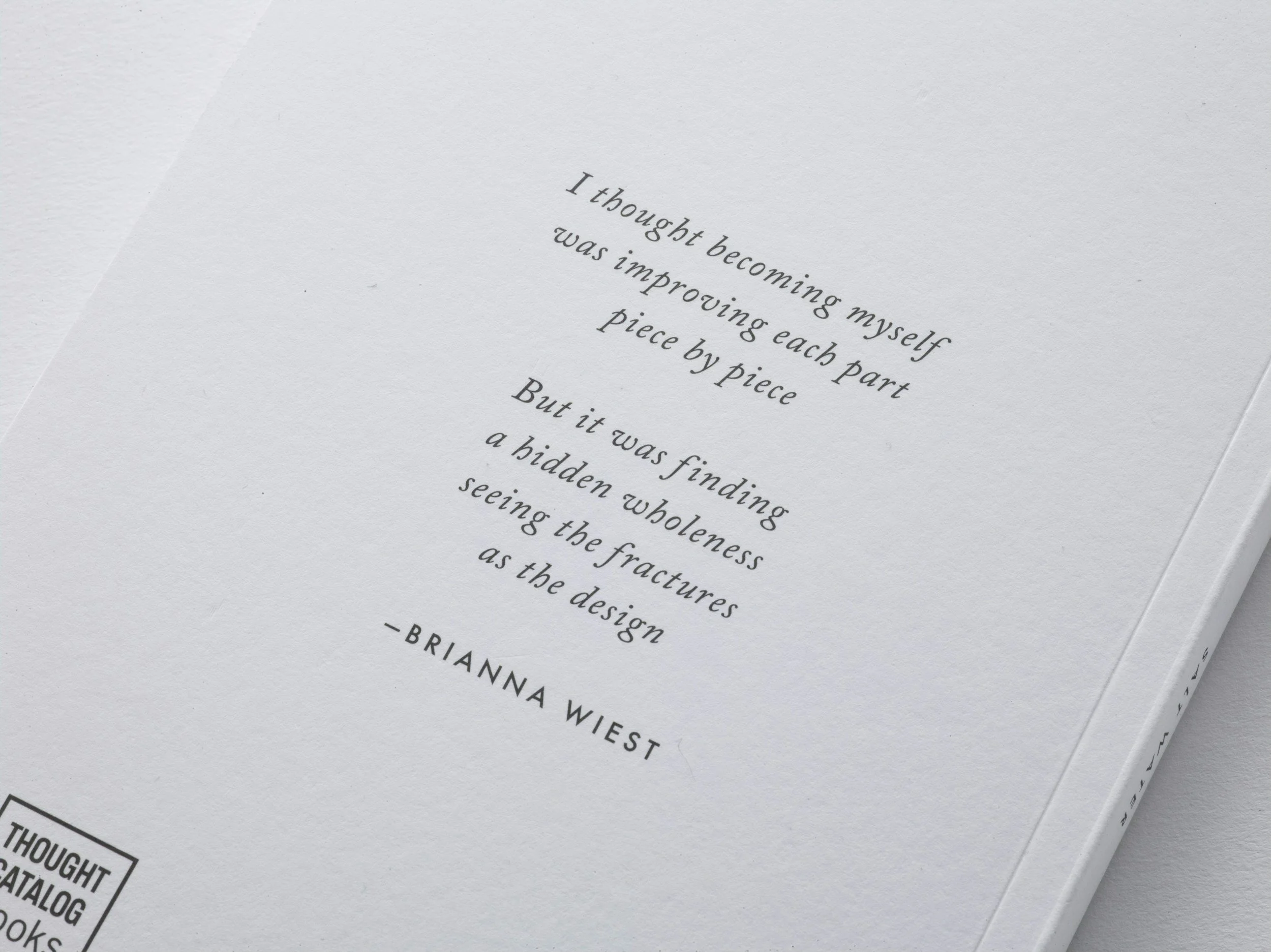
Healing is not about becoming someone new. It’s about returning to yourself — gently.
How We Can Support Healing in Our Community
Normalize conversations about trauma and recovery
Avoid pressuring others to “move on” or “be over it”
Offer patience instead of timelines
Support survivor-centered organizations doing long-term work
At Maison Femme, we are committed to walking alongside individuals and families through every stage of healing — even the quiet, nonlinear ones.
Resources & Further Reading
If you or someone you know is navigating healing after trauma, support and information are available:
Support Resources
National Domestic Violence Hotline – Confidential, 24/7 support, safety planning, and referrals
📞 1-800-799-7233 (SAFE) | 🌐 https://www.thehotline.orgStrongHearts Native Helpline – Culturally appropriate support for Native and Indigenous survivors
📞 1-844-7NATIVE | 🌐 https://strongheartshelpline.orgRAINN – Support and education related to trauma, consent, and recovery
🌐 https://www.rainn.org
Further Reading & Learning
National Domestic Violence Hotline – Healing and Self-Care
Articles on trauma recovery, safety, and rebuilding after abuse.
🌐 https://www.thehotline.org/resources/Trauma Stewardship Institute
Resources on understanding trauma responses, resilience, and sustainable healing.
🌐 https://traumastewardship.comSubstance Abuse and Mental Health Services Administration (SAMHSA)
Information on trauma-informed care and mental health support.
🌐 https://www.samhsa.gov/trauma-violencePsychology Today – Trauma & Recovery
Accessible articles exploring nonlinear healing, nervous system regulation, and growth after trauma.
🌐 https://www.psychologytoday.com/us/basics/trauma
💜 Because healing doesn’t have to be perfect to be real.