
Supporting Children Through Change
Creating Stability During Back-to-School Season
August often brings a mix of anticipation and stress. As families prepare for a new school year, routines shift, schedules change, and expectations increase. For many households, this transition is manageable. For families impacted by domestic and intimate partner violence, it can feel overwhelming.
At Maison Femme, we recognize that children experience change deeply — especially when their sense of safety has been disrupted. Supporting children through transitions means creating stability, reassurance, and care for the whole family.
Children Feel Change Even When They Don’t Say It
Children don’t always have the language to explain what they’re feeling. Instead, stress and uncertainty may show up through behavior, mood changes, difficulty sleeping, or challenges at school.
After trauma, children may be especially sensitive to:
New environments
Separation from caregivers
Changes in routine
Academic or social pressure
These reactions are not misbehavior. They are communication.
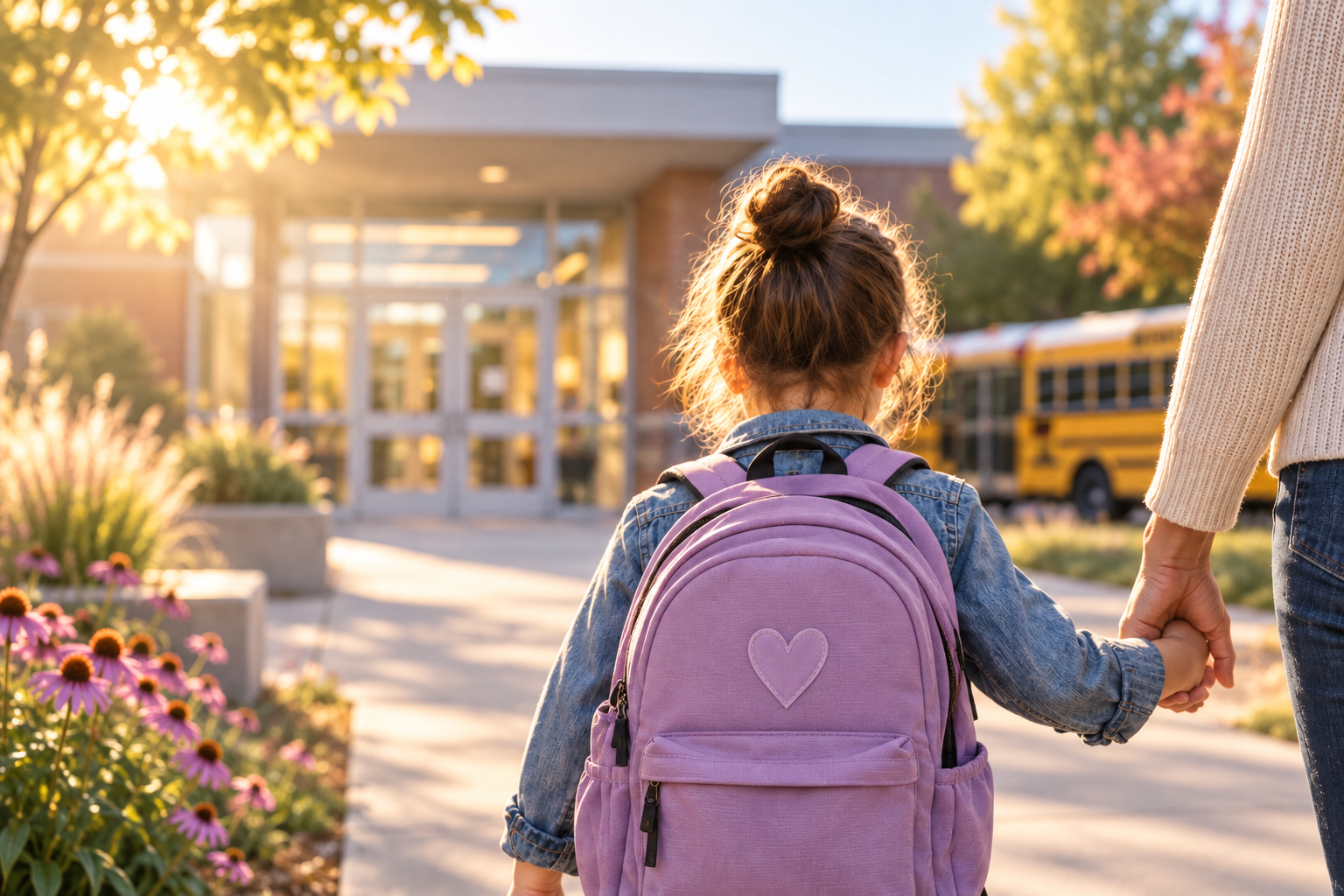
One parent shared that as her child prepared to return to school, she noticed increased anxiety and resistance. Mornings became harder, and small changes felt big.
With support, she learned that her child wasn’t being difficult — they were seeking reassurance. By creating predictable routines and talking openly in age-appropriate ways, the transition slowly became easier.
The biggest shift came when she realized that supporting her child also meant giving herself grace.
(This story reflects shared survivor experiences. Details have been changed to protect privacy.)
Stability Is a Powerful Form of Care
For children who have experienced trauma, stability helps rebuild trust in the world around them.
Stability can look like:
Consistent daily routines
Clear expectations
Familiar rituals (bedtime, meals, check-ins)
Safe adults who listen and respond with patience
These practices don’t erase what happened — but they help children feel anchored as they grow.
Supporting Caregivers Supports Children
Caregivers often carry the weight of helping children adjust while navigating their own healing.
It’s important to remember: caregivers don’t need to have all the answers.
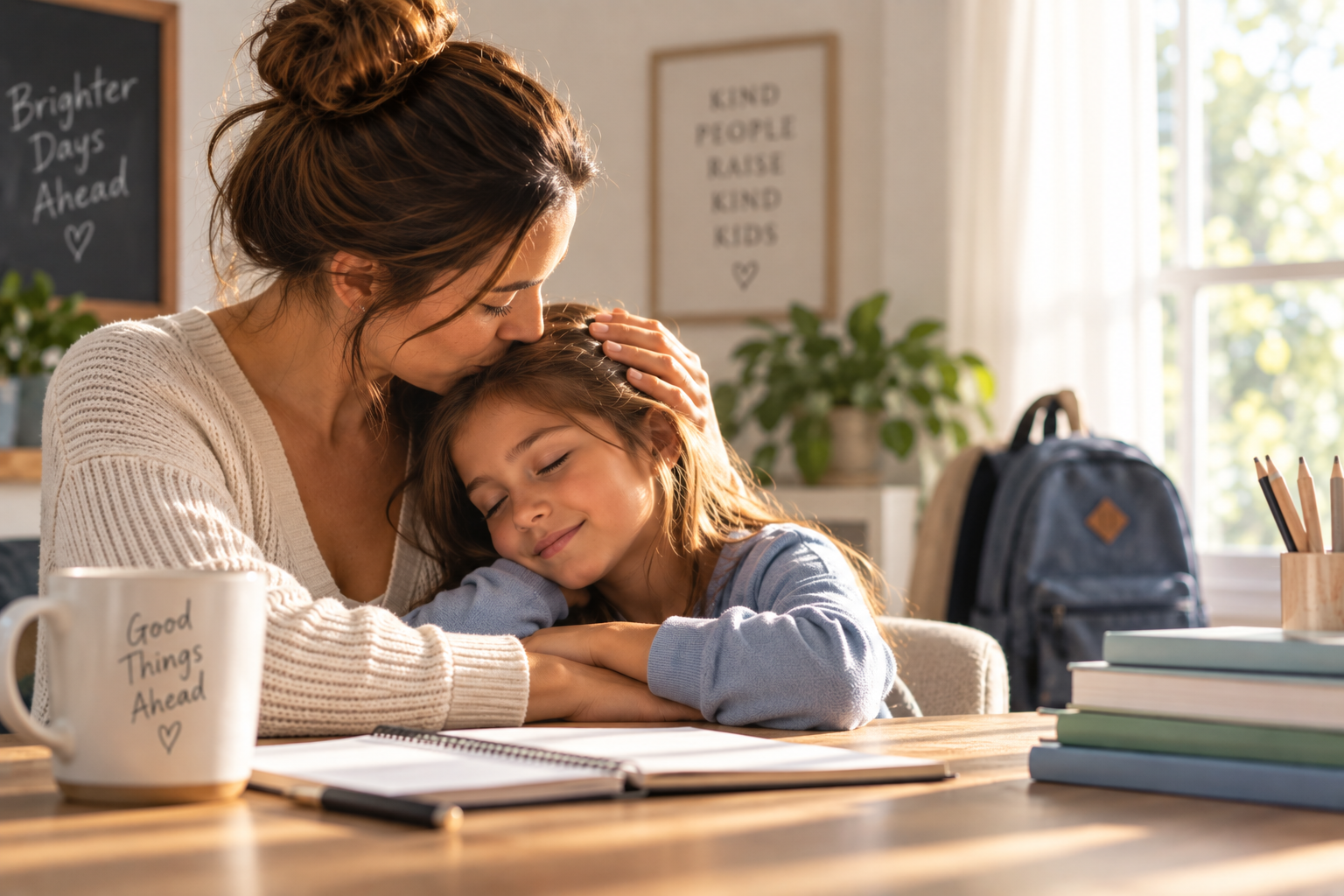
Support for caregivers — emotional, practical, and community-based — directly benefits children. When caregivers feel supported, children feel safer.
At Maison Femme, we work with families as a whole, recognizing that children’s wellbeing and caregiver wellbeing are deeply connected.
Creating Compassionate School Transitions
Schools can be important partners in supporting children after trauma.
When appropriate, families may consider:
Communicating with teachers or school counselors
Advocating for trauma-informed approaches
Asking for flexibility during transitions
Every child’s needs are different. Compassion and understanding make a meaningful difference.
Resources & Further Reading
If you or someone you know is supporting children through transitions after trauma, help and information are available:
Support Resources
National Domestic Violence Hotline – Confidential, 24/7 support, safety planning, and referrals
📞 1-800-799-7233 (SAFE) | 🌐 https://www.thehotline.orgStrongHearts Native Helpline – Culturally appropriate support for Native and Indigenous survivors
📞 1-844-7NATIVE | 🌐 https://strongheartshelpline.orgChildhelp National Child Abuse Hotline – Support for concerns related to child wellbeing
📞 1-800-4-A-CHILD | 🌐 https://www.childhelphotline.org
Further Reading & Learning
Child Mind Institute – Back-to-School & Trauma
Guidance on helping children manage stress and transitions.
🌐 https://childmind.orgNational Child Traumatic Stress Network (NCTSN)
Trauma-informed resources for caregivers and educators.
🌐 https://www.nctsn.orgCDC – Essentials for Childhood
Research-based strategies to support safe, stable, nurturing relationships.
🌐 https://www.cdc.gov/violenceprevention/childabuseandneglect/essentials.htmlZero to Three – Supporting Young Children Through Change
Resources focused on early childhood and caregiver support.
🌐 https://www.zerotothree.org
💜 Because when children feel safe, they are better able to learn, grow, and thrive.